Bear Hunting Season BC. British Columbia offers some of North America’s premier black bear hunting opportunities, with an estimated 150,000 black bears across the province. The 2025 hunting season continues to provide excellent chances for both novice and experienced hunters to pursue these impressive animals in BC’s diverse wilderness areas.

The spring black bear season runs from early May to mid-June, while fall hunting opportunities extend the season for additional harvest opportunities. Hunters must navigate updated regulations and obtain proper licensing, including the required $180 bear tag and various permits that ensure sustainable wildlife management practices.
The province’s varied terrain, from coastal rainforests to interior mountains, creates ideal bear habitat and hunting conditions. Current hunting and trapping regulations from 2024-2026 provide the framework for legal and ethical bear hunting across BC’s 225 management units.
Key Takeaways – Bear Hunting Season BC
- Spring bear season runs from early May to mid-June with fall opportunities extending hunting time
- Hunters need a $180 bear tag plus licensing fees and must follow current BC wildlife regulations
- BC’s 150,000 black bears and diverse terrain make it a top destination for trophy hunting
Key Dates for Bear Hunting Season BC 2025
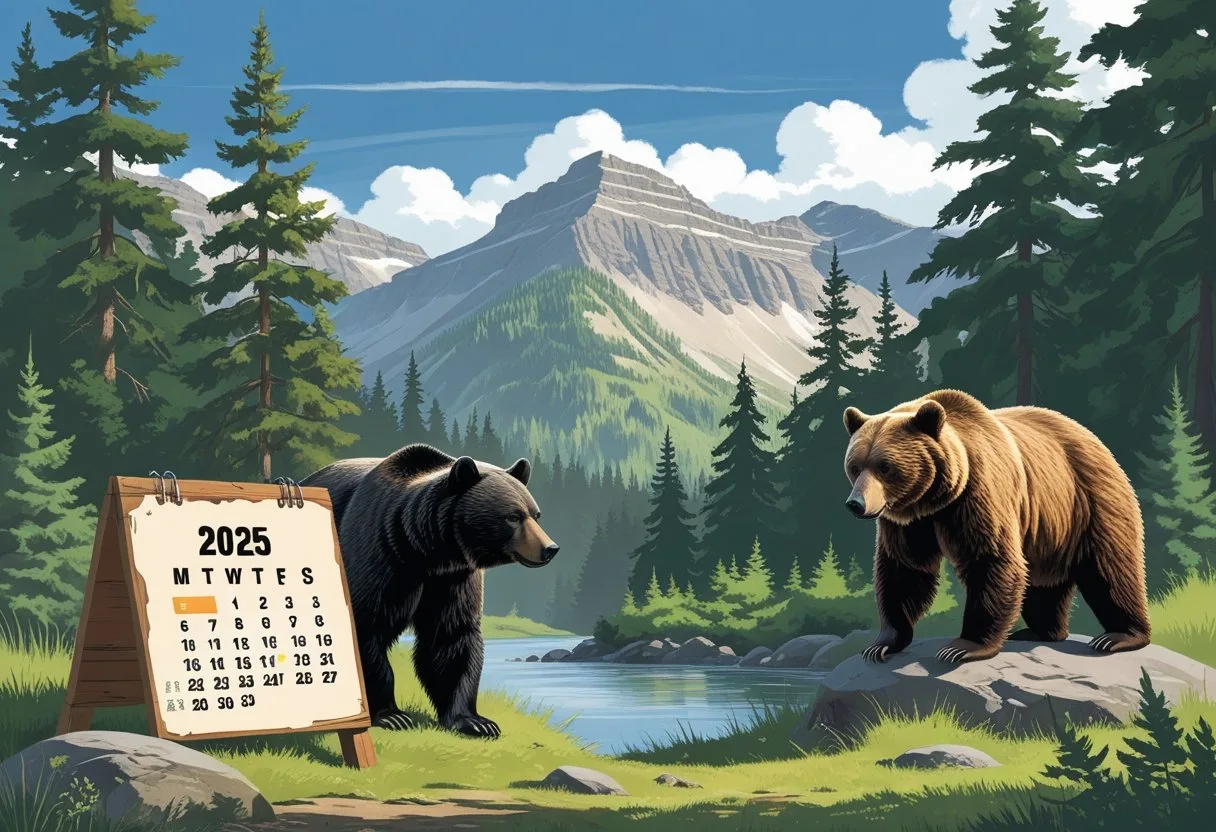
British Columbia operates two distinct bear hunting seasons with specific dates that vary by management unit. Spring black bear hunts usually begin in April and end in June, while fall seasons provide additional opportunities later in the year.
Spring Bear Hunting Season BC Dates
The spring bear hunting season typically runs from early May through mid-June across most BC management units. Spring hunting dates span from May 1st to mid-June for guided operations.
Peak Spring Hunting Period:
- Start Date: May 1, 2025
- End Date: Mid-June 2025
- Duration: Approximately 6-7 weeks
Different management units may have slightly adjusted dates. Hunters should verify specific unit regulations before planning their trips.
The spring season offers excellent hunting conditions as bears emerge from hibernation. They actively feed in open areas and along forest edges during this period.
Fall Bear Hunting Season Schedule – Bear Hunting Season BC
Fall bear hunting provides a second opportunity for hunters who missed spring seasons. The exact dates vary significantly between management units across the province.
Many units open fall seasons in September and continue through October or November. Some coastal areas may extend seasons into December depending on local bear populations.
Typical Fall Season Pattern:
- Early Start: September 1-15
- Peak Period: October 1-31
- Late Season: November 1-30
Hunters must check the 2024-2026 Hunting and Trapping Regulations Synopsis for their specific management unit dates. Each unit has unique opening and closing dates based on local wildlife management needs.
Youth and Special Hunt Dates
British Columbia offers special hunting opportunities for youth hunters with modified season dates. These hunts typically occur during extended seasons or special weekend periods.
Youth hunters under 18 may participate in regular seasons with proper licensing and supervision. Some management units provide additional youth-only hunting days before or after regular seasons.
Youth Hunt Features:
- Extended season lengths in select units
- Reduced license fees
- Mandatory adult supervision required
- Special mentorship programs available
Special draws and lottery hunts may have different application deadlines and season dates. These opportunities often occur in limited entry units with high-quality hunting potential.
Essential Regulations for Black Bear Hunting – Bear Hunting Season BC
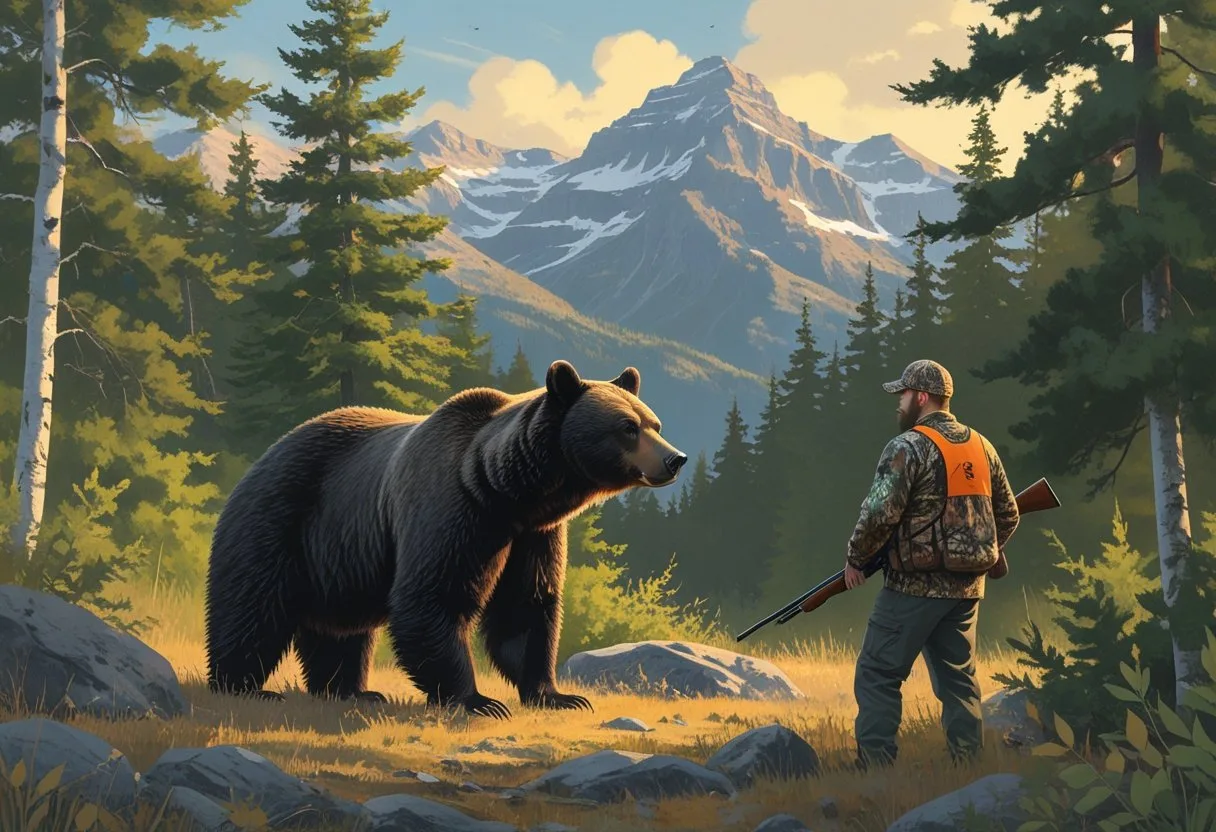
Black bear hunters in BC must follow specific bag limits, use legal hunting methods, and obtain proper licenses. New black bear regulations require mandatory reporting within 10 days of harvest.
Bag Limits and Reporting Requirements
The bag limit for black bears in BC is 2 bears per year. Hunters can take bears during both spring and fall seasons.
All hunters must report harvested black bears within 10 days of the kill. This reporting helps wildlife managers track bear populations across the province.
Hunters cannot take black bears less than 2 years old. They also cannot shoot any black bear in the company of cubs.
Prohibited targets include:
- Cubs under 2 years old
- Female bears with cubs
- White or blue colored black bears
The reporting requirement applies even if hunters do not harvest any bears. All licensed hunters must submit harvest reports regardless of success.
Legal Hunting Methods – Bear Hunting Season BC
Black bear hunting uses spot-and-stalk methods in most areas. Hunters can use rifles, bows, or crossbows that meet minimum draw weights.
Baiting restrictions have been clarified for the 2025 season. Hunters must check regional regulations for specific baiting rules in their hunting area.
Dogs are not permitted for black bear hunting in most regions. Some areas may allow dogs with special permits.
Hunters cannot use artificial lights or night vision equipment. All hunting must occur during legal shooting hours only.
Legal weapons include:
- Rifles with minimum caliber requirements
- Compound or recurve bows
- Crossbows meeting draw weight standards
License and Tagging Rules – Bear Hunting Season BC
Hunters need a valid BC hunting license and black bear tag before hunting. Non-residents must hunt with licensed guides or resident sponsors.
Black bear tags are available over-the-counter in most regions. Some high-demand areas may require Limited Entry Hunt applications.
Hunters must carry their license and tags while hunting. They must attach tags immediately after killing a bear.
The tag must remain with the bear until it reaches final storage. Hunters cannot transfer tags between people or use expired tags.
Required documents:
- Valid BC hunting license
- Black bear species tag
- Hunter identification card
Regional Overview: Best Bear Hunting Areas – Bear Hunting Season BC
British Columbia divides into nine administrative regions with 225 management units, each offering unique terrain and bear populations. The Okanagan, northern coastal areas, and Vancouver Island represent three distinct hunting environments with different regulations and success rates.
Region 8 – Okanagan
Region 8 covers the interior valleys and mountainous terrain of south-central BC. This area provides excellent black bear hunting opportunities in mixed forest and grassland environments.
The Okanagan region features diverse elevation zones from valley bottoms to alpine areas. Bears move between these zones seasonally, feeding on berries in higher elevations during late summer and fall.
Key Characteristics:
- Mixed coniferous and deciduous forests
- Open grasslands and berry patches
- Moderate hunting pressure
- Good road access in many areas
Spring hunting focuses on south-facing slopes where bears emerge early from winter dens. Fall hunting targets berry-producing areas at mid to high elevations.
The region’s varied terrain allows for both spot-and-stalk and baiting methods where permitted. Many areas remain accessible by vehicle, making it suitable for hunters of different physical abilities.
Northern and Coastal Regions – Bear Hunting Season BC
Northern coastal British Columbia features sharply etched coastal mountains with pristine lakes and rivers. The Bulkley and Telkwa river systems provide abundant food sources for large bears.
Coastal areas produce bears with abundant food and virtually no hunting pressure, allowing them to grow to exceptional sizes. These regions consistently produce trophy-class animals.
Hunting Methods:
- Boat access along beaches and estuaries
- 4×4 vehicle access in logged areas
- ATV access to mountain feeding areas
- Spot-and-stalk in clearcuts
Spring hunting involves cruising coastlines where bears feed on early vegetation and marine resources. Interior areas focus on logged zones with new growth.
Many trophies exceed 7 feet with averages of 6 feet or more in these northern regions. Color phase bears including cinnamon and blonde variations occur more frequently here.
Vancouver Island and Island-Specific Rules – Bear Hunting Season BC
Vancouver Island operates under Region 1 management with specific regulations differing from mainland areas. The island supports healthy black bear populations in old-growth and second-growth forests.
Dense forest cover requires different hunting strategies compared to mainland regions. Most successful hunts occur along logging roads, clearcuts, and salmon streams during fall runs.
Island Characteristics:
- Dense coastal rainforest
- Limited road access in many areas
- Salmon stream feeding opportunities
- Moderate bear densities
The island’s unique ecosystem creates specific feeding patterns. Bears concentrate along salmon streams in fall and feed on berry patches at forest edges during late summer.
Hunters must adapt to heavy forest cover and limited visibility. Early morning and evening hunts along forest openings prove most productive for spot-and-stalk hunting.
Hunting Opportunities for Other Species During Bear Season
Bear season in BC overlaps with several other hunting opportunities, allowing hunters to pursue elk and moose during spring months, target mule deer and cougar year-round, and hunt various waterfowl species during specific migration periods.
Elk and Moose Regulations
Elk hunting opportunities during bear season vary significantly by management unit. Most elk seasons run from late August through November, with limited overlap during fall bear hunting periods.
Spring elk hunting is restricted in most areas of BC. Hunters should check the 2024-2026 Hunting and Trapping Regulations Synopsis for specific unit regulations.
Moose hunting presents better opportunities during bear season. Some management units offer early moose seasons starting in August. The regular moose season typically runs from September 10 to November 30 in most areas.
Key moose restrictions include:
- Compulsory inspection requirements in certain units
- Closed areas during October 1-15 in portions of MU 7-52
- Complete closures in specific management units
Hunters must obtain separate tags for each species. Moose tags cost significantly more than bear tags and require additional licensing fees.
Mule Deer and Cougar Seasons
Mule deer seasons offer excellent overlap with bear hunting periods. The general open season for mule deer runs from September 10 to November 30 in most management units.
Early deer seasons begin August 15 in select areas. This timing aligns well with late summer bear hunting opportunities.
Cougar hunting provides year-round opportunities that fully overlap with bear seasons. They can be hunted during both spring and fall bear seasons across most of BC.
Cougar hunting features:
- No closed season in most areas
- Bag limit of one cougar per year
- Special regulations in some management units
- Dogs permitted for tracking in designated areas
Mule deer hunting requires careful attention to antler restrictions. Many units have 4-point minimum requirements or other specific regulations that hunters must follow.
Waterfowl and Duck Opportunities
Duck hunting seasons typically open September 10 and run through late December. This timing overlaps perfectly with fall bear hunting periods.
Early waterfowl seasons may begin as early as September 1 in certain areas. These seasons target resident ducks before migration begins.
Popular waterfowl species during bear season:
- Mallards
- Pintails
- Teal species
- Canvasback
- Redhead
Waterfowl hunting requires federal migratory bird hunting permits in addition to provincial licenses. Daily bag limits vary by species and area.
Many hunters combine duck hunting with bear hunting in areas near water sources. This strategy works well since bears often frequent riparian areas where waterfowl are also found.
Snow goose seasons may overlap with late bear seasons in some regions. These seasons typically run from late September through October in designated areas.
Conservation, Safety, and Ethical Practices
Bear hunting in British Columbia requires strict adherence to reporting protocols, ethical standards, and proper species identification. These practices protect both hunters and black bear populations while supporting long-term wildlife management goals.
Reporting Harvests and Population Management
All hunters must report their black bear harvests within 30 days of the kill. This data helps wildlife managers track population trends and set future hunting quotas.
The reporting system requires specific information. Hunters must provide the exact location, date, and time of the harvest. They also need to submit the bear’s estimated weight and sex.
Wildlife biologists use this data to monitor black bear populations across different regions. Conservation practices vary substantially among jurisdictions but reporting remains consistent.
Population management depends on accurate harvest data. If reports show declining numbers in specific areas, managers can reduce hunting quotas or close seasons entirely.
Unreported harvests create problems for conservation efforts. They make it impossible to track true harvest numbers and can lead to overhunting in certain areas.
Ethical Hunting Guidelines
Ethical bear hunting starts with proper preparation and training. Hunters must complete courses that cover bear behavior, hunting ethics, and safety precautions before receiving permits.
Clean kills are essential for ethical hunting. Hunters should only take shots when they can ensure a quick, humane death. This means practicing with their weapon and knowing their effective range.
Fair chase principles apply to all bear hunting. This means giving the animal a reasonable chance to escape and avoiding methods that provide unfair advantages.
Hunters must use all edible portions of the bear. Wasting meat violates both legal requirements and ethical standards. The hide and other parts should also be used when possible.
Respect for the animal extends beyond the hunt. Proper field dressing and meat care show respect for the life taken and prevent waste.
Bear Identification to Prevent Misidentification
Black bears in BC can vary widely in color. They range from black to brown, cinnamon, and even blonde. Color alone does not determine species.
Size differences help distinguish black bears from grizzlies. Adult black bears typically weigh 125 to 250 pounds. Grizzlies are much larger and have a distinctive shoulder hump.
Facial features provide clear identification markers. Black bears have straight facial profiles and pointed ears. Their claws are shorter and darker than grizzly claws.
Track patterns also differ between species. Black bear tracks show five toes with claw marks close to the toe pads. The tracks measure 6 to 7 inches long.
Body shape offers another identification method. Black bears have a slender build without the prominent shoulder hump that grizzlies display.
Cubs present special identification challenges. Young bears may look different from adults and require extra caution. Hunters should never shoot cubs or sows with cubs.
Planning Your 2025 Bear Hunt in BC
BC’s bear hunting requires careful planning due to limited entry requirements, mandatory guide services in certain areas, and specific gear needs for spot-and-stalk hunting methods.
Limited Entry Hunts and Draws
Most bear hunting in BC operates under a general open season system rather than limited entry draws. Hunters can purchase bear tags and licenses without entering a lottery system.
The BC hunting regulations require a basic hunting license plus a bear species license. Non-residents must hunt with a licensed guide or outfitter.
Required licenses for 2025:
- Basic hunting license: $180
- Bear tag: $180
- Hunter Preservation Fund: $250
Residents have more flexibility in hunting locations. They can hunt independently in most management units during the general open season from spring through fall.
Travel and Guide Services
Non-resident hunters must book with licensed outfitters for all bear hunting in BC. British Columbia guide services typically include transportation, meals, and accommodations.
Spring hunts run from May through June when bears emerge from hibernation. Peak hunting occurs mid-May to mid-June when bears are most active.
Most outfitters use trucks and ATVs to access logged areas and south-facing slopes. Hunters should expect daily travel to different locations based on bear activity patterns.
Typical package includes:
- Guide service
- Ground transportation
- Meals and lodging
- Trophy care
Gear and Preparation Tips
BC requires spot-and-stalk hunting methods since baiting is prohibited. Hunters need quality optics for spotting bears at distance across logged areas and hillsides.
Essential gear includes binoculars, spotting scope, and appropriate rifle for medium to long-range shots. Many areas involve hiking over uneven terrain to get within shooting range.
Weather can change quickly in BC’s mountainous regions. Hunters should pack layered clothing for temperatures ranging from cool mornings to warm afternoons.
Physical fitness matters since successful hunts often require hiking several miles daily. Bears typically feed on salmon, berries, and vegetation in areas requiring foot access.
Frequently Asked Questions
The 2024-2026 Hunting and Trapping Regulations Synopsis covers bear hunting seasons through June 30, 2026. Hunters need proper licensing and must follow specific zone regulations outlined in British Columbia’s official documentation.
What are the specific start and end dates for bear hunting in British Columbia for 2025?
The current hunting regulations are governed by the 2024-2026 Hunting and Trapping Regulations Synopsis, which remains effective until June 30, 2026. This document contains all bear hunting season dates for 2025.
Bear hunting seasons vary by management unit across British Columbia’s nine administrative regions. Each of the 225 management units has specific opening and closing dates that hunters must follow.
The fall season typically runs September through October, when bears feed heavily before hibernation. Spring seasons generally occur from April through June as bears emerge from winter dens.
Are there changes in hunting regulations for bear seasons in B.C. for the year 2025?
The current wildlife regulations for 2025 remain under the existing 2024-2026 synopsis framework. Any regulation changes would be published through official government channels.
Hunters should check the official British Columbia government website for the most current information. The hunting and trapping regulations page provides updates when changes occur.
New announcements typically affect licensing requirements, hunting methods, or seasonal adjustments. These modifications get incorporated into updated synopsis documents when published.
How can one obtain the hunting regulations guide for British Columbia for 2025?
The 2024-2026 Hunting and Trapping Regulations Synopsis is available as a free PDF download from the British Columbia government website. This 12.8MB document contains all current hunting regulations.
The synopsis includes general hunting information, season summaries, and maps showing closed areas. It covers the period from July 1, 2024 to June 30, 2026.
Hunters can access this document online at any time. The government website provides the most up-to-date version with any recent amendments included.
Where can I find the official map detailing bear hunting zones in B.C. for 2025?
British Columbia divides the province into 225 management units across nine administrative regions. These units appear on official maps with boundaries marked by black dashed lines.
The government provides regional maps in PDF format, including North Western, West Central, South Western, North Eastern, East Central, and South Eastern regions. Each map shows management unit boundaries and specific hunting areas.
Bear-specific maps indicate closed areas and special restrictions within management units. These detailed maps require poster-size printing to remain legible and show accurate boundary information.
Has the government of British Columbia made any announcements about hunting season cancellations for 2025?
No widespread hunting season cancellations have been announced for 2025 in British Columbia. The current regulations synopsis remains in effect through June 30, 2026.
Local closures may occur for specific management units due to wildlife management needs or safety concerns. These temporary closures get posted on the government website when they happen.
Hunters should regularly check official government communications for any area-specific announcements. The British Columbia government publishes closure notices through their wildlife management channels.
What are the costs involved in obtaining a permit to hunt black bears in British Columbia in 2025?
Hunting license fees vary based on residency status and license type in British Columbia. The government sets different rates for residents versus non-residents.
Basic hunting licenses require additional species licenses for black bear hunting. Some areas may require special permits through the Limited Entry Hunting (LEH) system.
The Fraser Valley Special Area requires a specific hunting license for Management Unit 2-4 and parts of 2-8. This license covers hunting in Maple Ridge, Pitt Meadows, Mission, and Coquitlam areas.