Canada’s national parks are more than scenic escapes—they’re living ecosystems, cultural landmarks, and seasonal playgrounds for hunters, anglers, hikers, and photographers. With over 328,000 km² of protected land and more than 15 million annual visitors, Canadian National Parks are a cornerstone of our national identity and a sanctuary for wildlife and wilderness lovers alike.
In this guide, I’ll take you on a first-person journey through five of the most iconic Canadian National Parks—Banff, Gros Morne, Kluane, Cape Breton Highlands, and Wapusk—while sharing practical insights, seasonal tips, and answers to the most frequently asked questions about these wild places.
Banff: The Crown Jewel of Canadian National Parks
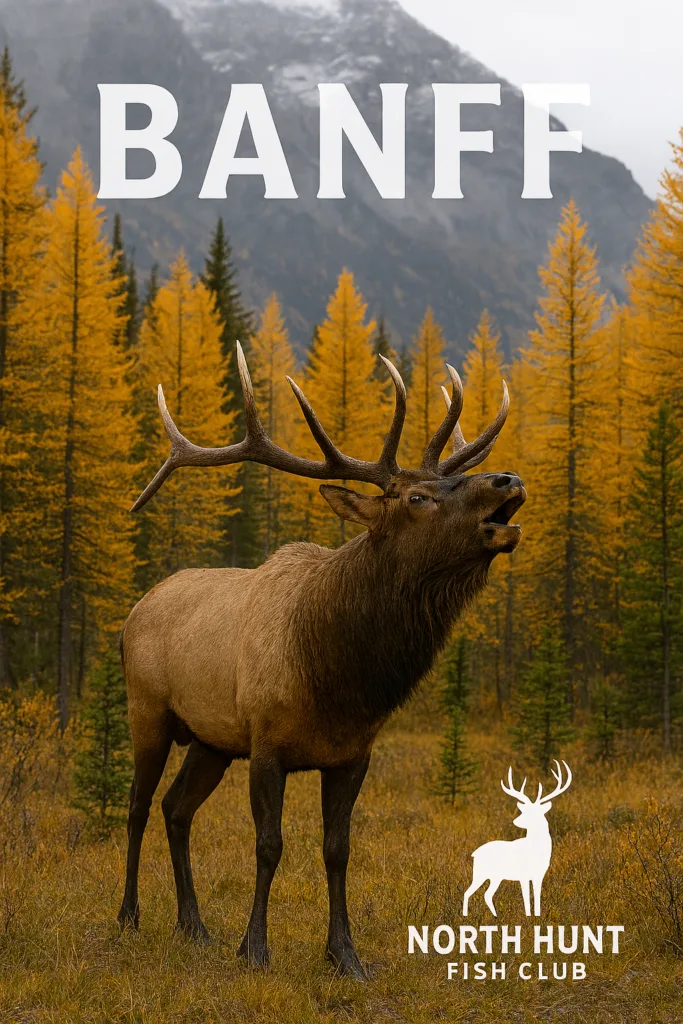
I’ll never forget the first time I heard a bull elk bugle in the pre-dawn stillness of Banff. It was late September, and the larch trees were turning gold across the Bow Valley. I’d hiked in the night before, pitching my tent near Lake Minnewanka, where the air smelled of spruce and frost.
That morning, I glassed a ridgeline above the lake and spotted a herd of elk moving through the mist. The bull was massive—dark mane, thick neck, antlers like a crown. I watched him posture, rake a pine, and let out a scream that echoed off the mountains like a war cry. It was primal. I didn’t even raise my camera for a while—I just stood there, heart pounding, soaking it in.
Later that afternoon, I dropped a line into the lake. Ice was already forming along the edges, and the trout were sluggish but hungry. I pulled in a few rainbows before the sun dipped behind the peaks. That night, the stars were so bright it felt like I could reach up and pluck them from the sky.
Banff is a paradox: it’s Canada’s most visited park, yet if you know where to go—off the main trails, into the backcountry—you can still find solitude and wildness that feels untouched.
Explore Banff National Park – Parks Canada
Gros Morne: Eastern Majesty in the Realm of Canadian National Parks
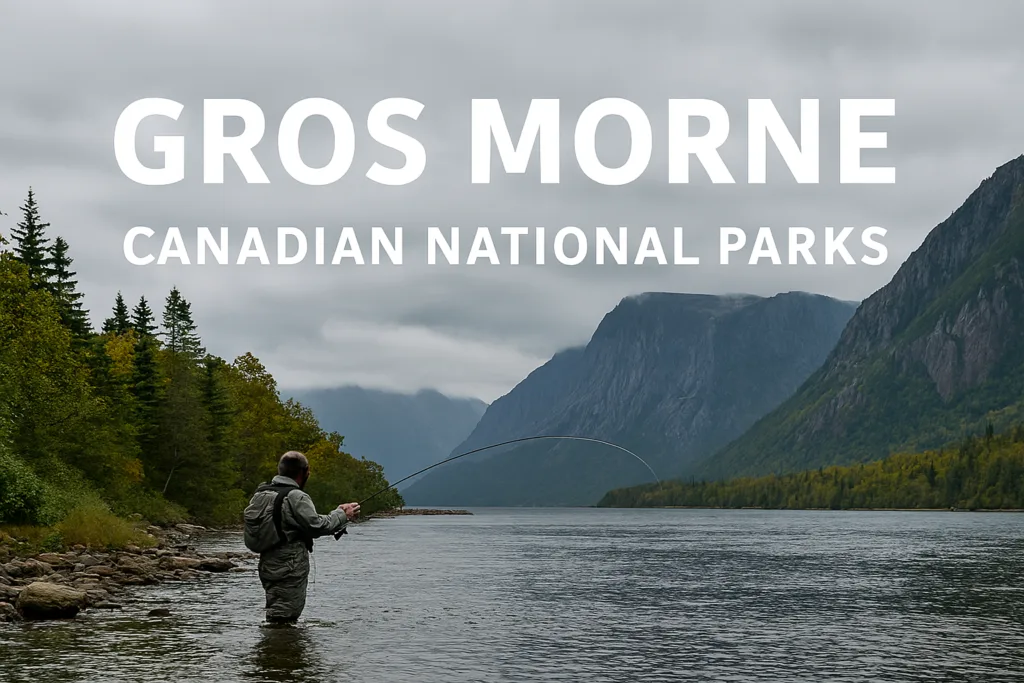
Gros Morne National Parks is where I go when I want to feel small in the best possible way. The Tablelands rise like a rust-colored fortress above the fjords, and the wind off the Gulf of St. Lawrence carries the scent of salt and spruce.
I came here in early July, chasing Atlantic salmon. The Lomond River was running high, and I spent three days working a stretch of pocket water with a #6 Blue Charm. On the second morning, just after sunrise, I hooked into a silver bullet that ran me 60 feet downstream before I turned him. That fish—about 12 pounds—was the hardest-fighting salmon I’ve ever landed.
But Gros Morne isn’t just about the fishing. One evening, I climbed the Lookout Trail and watched the sun set over Bonne Bay. A cow moose and her calf stepped out of the tuckamore below me, and for a moment, we just watched each other. No sound but the wind and the distant cry of a gull.
There’s something ancient about this place. The rocks here are 500 million years old, and you feel it in your bones. It’s not just a park—it’s a pilgrimage.
Learn about Gros Morne – The Canadian Encyclopedia
Kluane: The Wildest of All Canadian National Parks
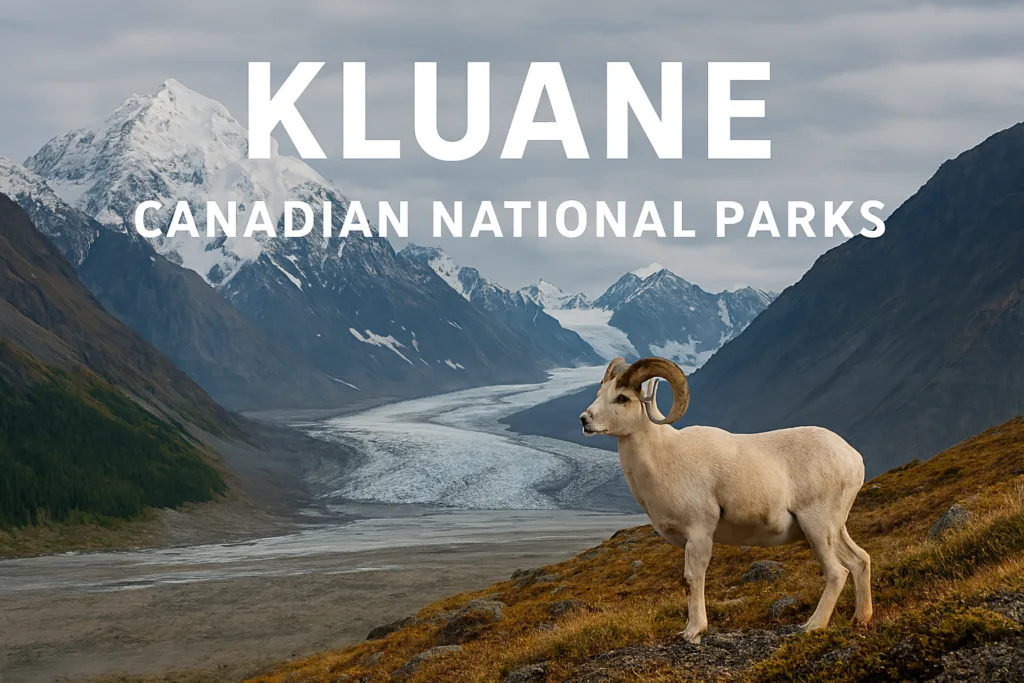
Kluane is the wildest place I’ve ever set foot in. It’s not just remote—it’s raw. I flew in on a bush plane from Haines Junction, skimming over icefields and jagged peaks until we touched down on a gravel bar near the Donjek River.
I was here for Dall sheep. I’d spent months training—trail running, pack hikes, dialing in my optics. On day three, after a brutal climb up a shale slope, I spotted a band of rams bedded on a distant ridge. I spent the next 12 hours crawling, glassing, waiting. I never got a shot, but I didn’t care. Just being that close—watching them through the scope, seeing their breath in the cold air—was enough.
At night, the temperature dropped below freezing, and the stars came out like diamonds. I heard wolves howling across the valley, and once, a grizzly passed within 200 yards of my camp. I lay in my bivy sack, heart thudding, bear spray in hand, and felt more alive than I had in years.
Visit Kluane National Park – Parks Canada
Cape Breton Highlands: The Soul of Eastern Canadian National Parks
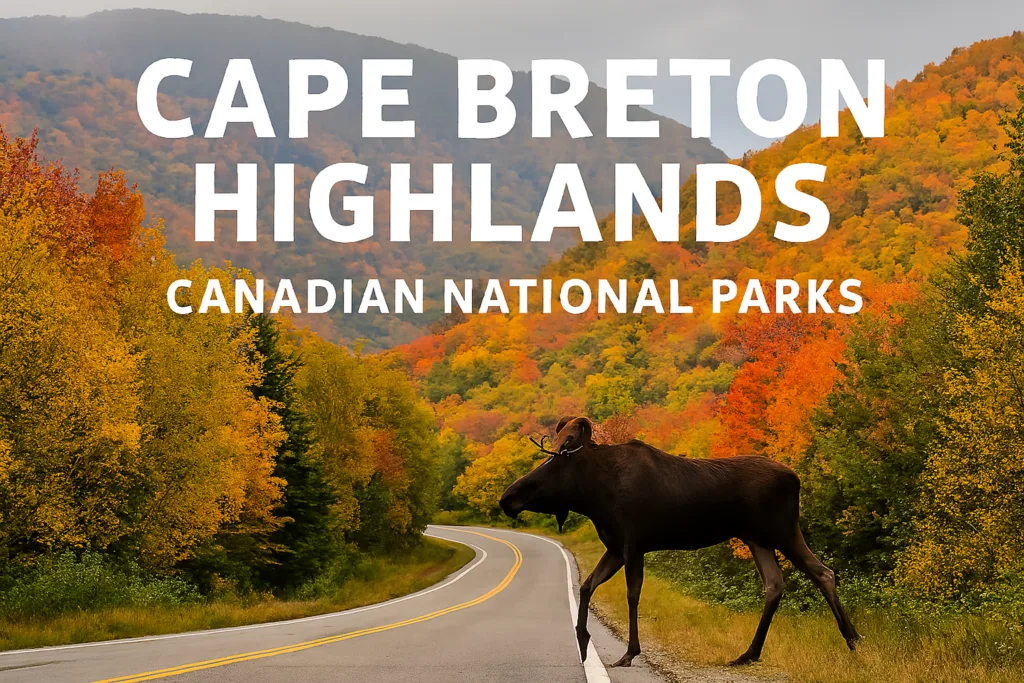
Cape Breton Highlands National Park is where I go to slow down. I’ve fished the Cheticamp River in early June, when the brook trout are rising to dry flies and the blackflies haven’t quite found you yet. I’ve hiked the Skyline Trail at dawn, watching the sun rise over the Gulf of St. Lawrence while a bull moose browses in the blueberry scrub below.
But my favorite time is October. The hardwoods explode in color—maple, birch, beech—and the Cabot Trail becomes a ribbon of fire winding through the hills. I’ve driven it with the windows down, the smell of woodsmoke and salt air in my nose, fiddle music on the radio.
One fall, I camped near Ingonish and spent the week hiking coastal trails and glassing for black bears. I saw three—one sow with cubs, and two boars fattening up on beech nuts. I didn’t have a tag, but I brought my camera and got some of the best shots I’ve ever taken.
Plan your trip to Cape Breton – Parks Canada
Wapusk: The Arctic Sentinel of Canadian National Parks
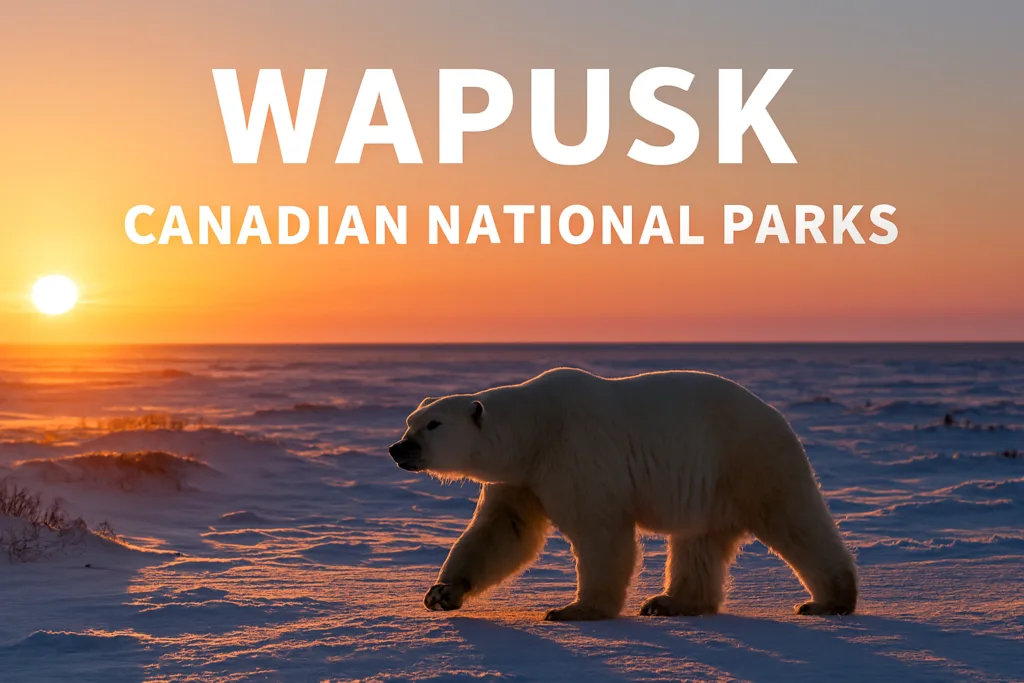
Wapusk is unlike any other park in Canada. It’s not a place you stumble into—it’s a place you plan for, train for, and respect. I joined a guided expedition out of Churchill in late November, just as the polar bears were gathering near the coast, waiting for Hudson Bay to freeze.
We traveled by tundra buggy, sleeping in heated trailers and venturing out at dawn. The first bear I saw was a massive male, easily 1,200 pounds, walking across the snow like a ghost. He stopped, sniffed the air, and looked right at us. I’ll never forget those eyes—black, ancient, unreadable.
Over the next four days, we saw mothers with cubs, young males sparring, and even a snowy owl perched on a drift. The cold was brutal—minus 30 with the wind—but I didn’t care. I was layered up, camera ready, heart full.
Wapusk National Park – Parks Canada
Seasonal Activity Planner for Canadian National Parks
| Season | Best Parks | Activities | Gear Essentials |
|---|---|---|---|
| Spring | Cape Breton, Gros Morne | Trout fishing, birding | Waders, fly rods, bear spray |
| Summer | Banff, Kluane | Hiking, wildlife photography | Binoculars, GPS, ultralight tents |
| Fall | Banff, Cape Breton | Elk viewing, foliage hikes | Spotting scope, layers, game calls |
| Winter | Wapusk, Jasper | Ice fishing, polar bear tours | Thermal gear, crampons, DSLR zoom |
❓ Top 10 Questions About Canadian National Parks—Answered
- How many national parks are there in Canada? Canada has 37 national parks and 11 national park reserves, managed by Parks Canada.
- What is the largest national park in Canada? Wood Buffalo National Park in Alberta/NWT is the largest, covering 44,807 km².
- What is the oldest national park in Canada? Banff National Park, established in 1885, is Canada’s first and oldest.
- Are pets allowed in Canadian national parks? Yes, but they must be leashed at all times and are restricted from some trails and backcountry zones.
- Can you hunt in Canadian national parks? No, hunting is prohibited in national parks. However, some national park reserves allow traditional Indigenous harvesting under co-management agreements.
- What’s the best time to visit Canadian national parks? May to September is peak season, but October offers stunning foliage and fewer crowds.
- Do I need a permit to camp in a national park? Yes. You must book through Parks Canada’s reservation systemreservation.pc.gc.ca for front country or backcountry camping.
- Are there national parks near Toronto? Yes. Bruce Peninsula, Georgian Bay Islands, and Point Pelee are within a 3–5 hour drive.
- What wildlife can I see in Canadian national parks? Depending on the region: moose, elk, bears, wolves, caribou, polar bears, eagles, and more.
- Are drones allowed in national parks? No, recreational drone use is banned in all Canadian national parks without a special permit.