Complete Expert Guide to Changes from 2025 (Moose, Deer, Small Game & Draw Systems)
Last Updated: February 2026
Quebec Hunting Regulations 2026 If you hunt in Québec, 2026 marks one of the biggest regulatory shifts in decades.
Moose rules changed.
Deer harvest limits expanded.
Random draw systems increased.
ZEC bag limits tightened.
Commercial moose urine disappeared.
Whether you’re a lifelong hunter or planning your first Québec season, this guide explains exactly what changed from 2025 to 2026, why it happened, and how to stay legal.
This article is built using official information from:
- Ministère des Forêts, de la Faune et des Parcs
- Société des établissements de plein air du Québec
- Environment and Climate Change Canada
Everything below is hunter-focused, and field-practical
Table of Contents – Quebec Hunting Regulations 2026
- How Québec Hunting Regulations Work
- Major Changes from 2025 to 2026 (Quick Summary)
- Moose Hunting Reform Explained
- Antler less Moose Draw System
- ZEC Moose Limits
- Moose Urine Ban
- White-Tailed Deer Changes
- Small Game Seasons
- Black Bear Updates
- Migratory Bird Regulations
- Random Draws & Wildlife Reserves
- Why These Changes Were Made
- Practical Hunter Checklist
- FAQ (Featured Snippet Section)
- Final Thoughts
How Québec Hunting Regulations 2026 Work
Québec operates on multi-year regulation cycles.
That means:
- 2025 followed the same printed regulations
- Updates were published online as “Main New Measures”
- Fall 2026 introduces a new management framework
This is important because many changes were announced in 2025 but only fully take effect in 2026.
Hunters who miss this detail often misunderstand the new rules.
Major Changes from 2025 to 2026 (Quick Summary) -Quebec Hunting Regulations 2026
Here’s the fast version:
| Category | 2025 | 2026 |
|---|---|---|
| Moose | Alternating permissive years | Stable system |
| Antler less | Often open | Draw required |
| Calves | Separate | Count as antlerless |
| ZEC moose | Individual | 1 per 3 hunters |
| Moose urine | Sold commercially | Sale/import banned |
| Deer | Usually 1 per zone | 2 allowed in select zones |
| Draws | Limited | Expanded |
| Wildlife reserves | Partial allocation | Mostly draw-based |
Now let’s go deeper.
Moose Hunting Changes
End of Permissive vs Restrictive Years
For decades Québec alternated:
- Permissive years
- Restrictive years
Starting fall 2026:
👉 This system is eliminated in most zones.
Instead, Québec now uses:
- Annual stability
- Antler less draw permits
- Zone-specific quotas
This makes regulations predictable and biologically precise.
Antler less Moose Now Requires a Draw – Quebec Hunting Regulations 2026
This is the single most important change.
Beginning 2026:
- Adult females AND calves are officially classified as antler less moose
- Harvesting them requires winning a random draw permit
- Standard licences allow bulls only
Why?
Because females control population growth.
This allows wildlife managers to directly regulate herd size.
ZEC Moose Limits: One Moose Per Three Hunters
Réseau ZEC territories now impose:
1 moose per 3 hunters per season
This applies to many ZECs.
It prevents:
- Overharvest
- Camp monopolization
- Population collapse
Groups must coordinate tags.
Moose Urine Commercial Ban
Effective April 2026:
- Commercial sale banned
- Importation banned
Hunters may still use urine from personally harvested animals.
This is strictly a bio security measure to reduce disease transmission.
Synthetic scents remain legal.
White-Tailed Deer (Cerf de Virginie)
Two Deer in One Zone (With Conditions)
In select zones:
Hunters may now harvest two deer in the same zone IF:
- One is an adult male
- All licence rules are followed
This helps manage high-density deer populations.
Wildlife Reserve Draw Expansion
Société des établissements de plein air du Québec now allocates most prime hunts through random draws.
Registration typically runs:
- December → January
This applies to moose and deer.
Small Game Seasons
4
Small game remains zone-based with:
- Weapon-specific dates
- Daily bag limits
- Seasonal adjustments
Always confirm:
- Firearm vs archery windows
- Local restrictions
Black Bear
4
Black bear seasons continue:
- Spring
- Fall (zone dependent)
Emphasis remains on:
- Mandatory reporting
- Baiting compliance
- Weapon periods
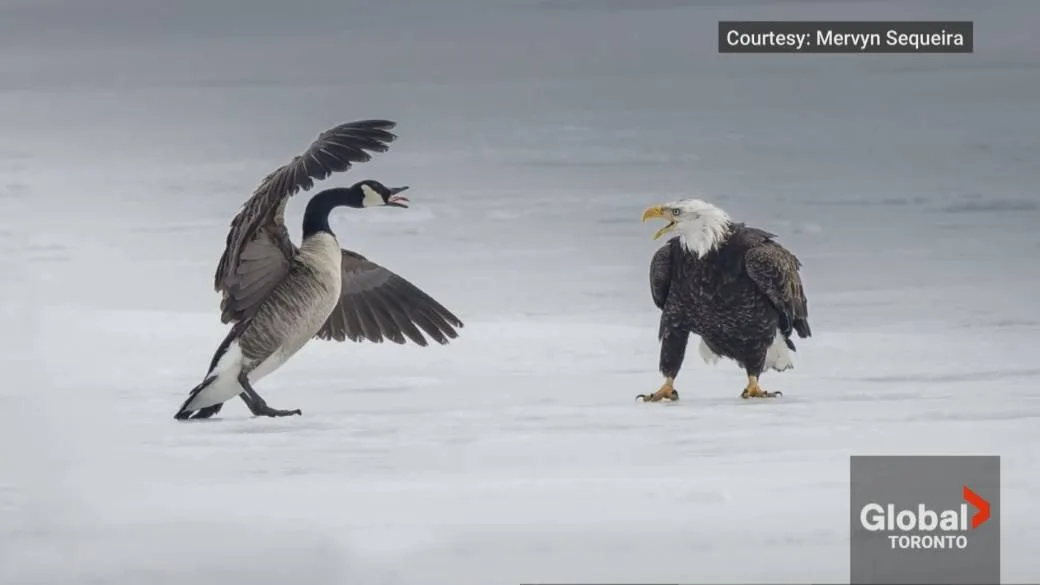
Migratory Birds (Federal Law)
4
All migratory birds are governed federally by:
Environment and Climate Change Canada
Hunters need:
- Federal permit
- Habitat stamp
2026 proposals include Sandhill Crane seasons in parts of Québec.
Federal rules override provincial summaries.
Why Québec Changed the System
Four core reasons:
1. Population Stability
Better control of breeding females.
2. Fair Hunter Access
Random draws prevent territory monopolization.
3. Disease Prevention
Urine ban reduces pathogen transport.
4. Long-Term Sustainability
Data-driven harvest management.
Hunter Checklist for 2026
✅ Know Your Zone
Everything depends on it.
✅ Enter Draws Early
December–January.
✅ Adjust Moose Strategy
No antler less without draw.
✅ Replace Urine Attractants
Synthetic only.
✅ Check Federal Bird Rules
Every season.
FAQ (Optimized for Google Snippets)
Is moose urine illegal in Quebec in 2026?
Commercial sale and importation are banned, but hunters may use urine from personally harvested animals.
Do calves count as antler less moose?
Yes. Starting 2026, calves are officially classified as antler less and require draw permits.
Can I harvest two deer in Quebec?
Yes — in select zones, provided one is an adult male.
Are moose hunts now draw-only?
Only antler less moose require draws. Bulls remain available under standard licences.
When do wildlife reserve draws open?
Typically December through January.
Final Thoughts
The 2026 Québec hunting regulations represent the most modernized wildlife system the province has ever implemented.
Yes — there’s more planning.
But there’s also:
- Healthier herds
- Fairer access
- Better conservation
- Predictable seasons
These changes protect hunting for future generations.
Always verify final details with:
- Ministère des Forêts, de la Faune et des Parcs
- Société des établissements de plein air du Québec
- Environment and Climate Change Canada