
Estimated reading time: 9 minutes | Last updated: March 2025
Whether you’re a seasoned hunter or just getting started, daytime hunting in Canada offers some of the most rewarding and diverse hunting experiences on the planet. From the boreal forests of Ontario to the open prairies of Saskatchewan, Canada’s vast landscapes are teeming with game — and knowing how to hunt them during daylight hours is the key to a successful season.
In this complete guide, we’ll cover everything you need to know about daytime hunting in Canada, including regulations, top species, best provinces, tactics, and gear — so you can make the most of every outing.
What Is Daytime Hunting in Canada?
Daytime hunting in Canada refers to legal hunting activity conducted during daylight hours — typically defined as the period between official sunrise and sunset for your specific location and date. Most Canadian hunting regulations are structured around daylight windows, with some species and seasons permitting a small window before sunrise or after sunset (often 30 minutes either side), but core hunting activity is concentrated during the day.
Unlike nocturnal hunting (which is heavily restricted or banned for most game species in Canada), daytime hunting is the standard legal framework for pursuing big game, waterfowl, upland birds, and small game across all provinces and territories.
Why Daytime Hunting in Canada Is So Popular
Canada is one of the most sought-after hunting destinations in the world — and for good reason:
- Vast wilderness: Canada has over 9.98 million square kilometres of land, with millions of acres of public hunting land available to residents and non-residents alike.
- Species diversity: From white-tailed deer and moose to Canada geese, black bears, and elk, the variety of huntable species is unmatched.
- Regulated sustainability: Canada’s wildlife management programs are among the most rigorous globally, ensuring healthy animal populations year after year.
- Accessible licensing: Most provinces offer both resident and non-resident hunting licenses, with clear online application processes.
Top Species for Daytime Hunting in Canada
1. White-Tailed Deer
The white-tailed deer is the most popular big game animal for daytime hunters in Canada. Peak activity occurs during early morning and late afternoon, but rut season (typically October–November) sees bucks moving throughout the day. Ontario, Manitoba, and Saskatchewan are top destinations.
2. Moose
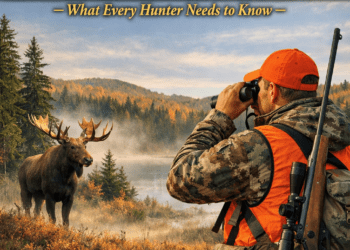
Moose are most active at dawn and dusk, but experienced hunters know that midday movement happens — especially during the rut in September and October. British Columbia, Ontario, and Newfoundland offer outstanding moose hunting.
3. Elk
Western Canada — particularly Alberta and British Columbia — is renowned for elk hunting. Elk bugling during the September rut makes daytime calling extremely productive.
4. Black Bear
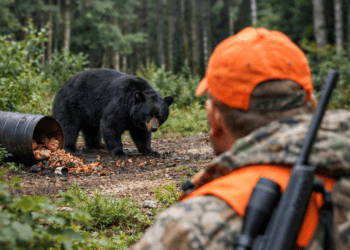
Spring black bear hunting is a popular daytime activity across Canada. Bears emerge from their dens and forage heavily in daylight during May and June. Ontario, Manitoba, and BC lead the country in black bear hunting opportunities.
5. Canada Goose & Waterfowl
Waterfowl hunting is a classic Canadian tradition. Field hunting for Canada geese is largely a daytime activity, with morning and late-afternoon flights being the most productive periods.
6. Upland Birds
Species like ruffed grouse, sharp-tailed grouse, pheasant, and Hungarian partridge offer exciting daytime wing shooting across the prairies and boreal regions.
Best Provinces for Daytime Hunting in Canada
| Province | Top Species | Best Months |
|---|---|---|
| Saskatchewan | Whitetail, Mule Deer, Waterfowl | Oct – Nov |
| Alberta | Elk, Mule Deer, Black Bear | Sept – Nov |
| Ontario | Moose, Whitetail, Black Bear | Sept – Nov |
| British Columbia | Elk, Moose, Mountain Goat | Aug – Nov |
| Manitoba | Whitetail, Waterfowl, Black Bear | Oct – Nov |
| Quebec | Moose, Whitetail, Caribou | Oct – Nov |
Daytime Hunting Regulations in Canada: What You Need to Know
Canadian hunting regulations are managed at the provincial and territorial level, which means rules vary significantly depending on where you hunt. Here are the key regulatory pillars to understand:
Hunting Licenses and Tags
Every hunter in Canada must hold a valid hunting licence for the province or territory they’re hunting in. Big game species also require species-specific tags. Non-residents typically pay higher fees and may need to hunt with a licensed guide for certain species (e.g., grizzly bear in BC or moose in some Quebec zones).
Legal Shooting Hours
Most provinces define legal shooting hours as 30 minutes before sunrise to 30 minutes after sunset. Always verify the exact language in your provincial regulations, as this window can vary by species and zone.
Firearms and Archery Regulations
Each province has specific rules on legal firearms calibres, archery equipment specifications, and crossbow use. Firearm transport laws are governed federally under the Firearms Act, requiring valid PAL (Possession and Acquisition Licence) for all hunters using firearms.
Mandatory Harvest Reporting
Many provinces require hunters to report harvested animals online or by phone within a set time window (often 48–72 hours). Failure to report can result in fines and licence suspensions.
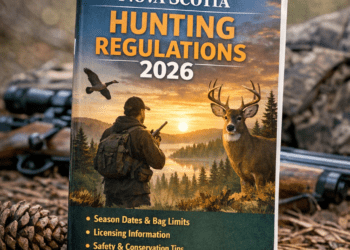
Pro Tip: Always download the current year’s provincial hunting regulations guide before your season. These are available free online through each province’s wildlife management authority.
Daytime Hunting Tactics That Actually Work in Canada
Scout Before the Season
Successful daytime hunters in Canada invest heavily in per-season scouting. Use topographic maps, satellite imagery (Google Earth, OnX Hunt), and boots-on-the-ground reconnaissance to locate feeding areas, water sources, travel corridors, and bedding zones.
Understand Daytime Movement Patterns
Many game animals reduce movement during midday, especially in hot weather. Focus your hunting pressure during:
- First light (30–90 minutes after sunrise): Animals are returning from overnight feeding.
- Mid-morning (9–11 AM): A secondary movement window, especially during the rut.
- Late afternoon (3 PM to last light): Animals begin moving toward food sources again.
Use the Weather to Your Advantage
Cold fronts trigger daylight deer movement across Canada. A sharp temperature drop following a warm spell is one of the most reliable indicators of increased daytime activity. Wind direction is equally important — always set up with the wind in your face.
Still Hunting vs. Stand Hunting
- Stand hunting (tree stands or ground blinds) is highly effective for whitetail and black bear, allowing you to remain scent-free and stationary near high-traffic zones.
- Still hunting — slow, deliberate movement through cover — is productive for moose and elk in thick Canadian bush.
Calling and Rattling
Calling is a powerful daytime tactic during the rut. Elk bugling, moose grunting, and deer grunt-and-rattle sequences can draw animals into shooting range in broad daylight.
Essential Gear for Daytime Hunting in Canada
The Canadian wilderness demands quality gear. Here’s what experienced hunters recommend:
Clothing:
- Layered system: moisture-wicking base layer, insulating mid layer, waterproof/windproof outer shell
- Camo pattern matched to your terrain (e.g., Mossy Oak Bottom-land for bush, Prairie Ghost for prairie)
- Insulated, waterproof boots rated for −20°C or lower for late-season hunts
Optics:
- Quality binoculars (8×42 or 10×42) are essential for glassing open country
- Rangefinder for accurate shot placement
- Rifle scope with quality glass — critical for the low-light windows at dawn and dusk
Navigation:
- GPS unit or hunting app (onX Hunt is extremely popular in Canada)
- Topo map as a backup
- Compass — always
Pack and Field Gear:
- Quality day pack with hydration system
- Field dressing kit with sharp knives and gloves
- Game bags to protect and cool meat quickly
- Emergency shelter, fire starter, and first-aid kit
Non-Resident Hunting in Canada: A Quick Overview
Canada welcomes hunters from around the world. Here’s what non-residents need to know:
- Obtain a non-resident hunting licence from the province you plan to hunt in — most can be purchased online.
- Hire a licensed outfitter or guide — required for non-Canadian residents hunting certain big game species in most provinces.
- Firearms importation: Non-residents entering Canada with firearms must complete the Non-Resident Firearm Declaration (CAFC 909) at the border. A fee applies and the form must be signed by a CBSA officer.
- CITES permits may be required to export certain trophies back to your home country.
Conservation and Ethical Hunting in Canada
Canada’s hunting culture is deeply rooted in conservation. The user-pay model — where hunting licence fees fund wildlife management — is a cornerstone of Canada’s success in maintaining healthy game populations. Ethical hunters in Canada uphold the following principles:
- Follow all provincial regulations without exception
- Practice fair chase at all times
- Recover all harvested game and minimize waste
- Respect private and Crown land access
- Share knowledge and mentor new hunters
Organizations like the Ontario Federation of Anglers and Hunters (OFAH), Wild Sheep Foundation Canada, and Ducks Unlimited Canada are leading voices in habitat conservation and hunter advocacy.
Frequently Asked Questions About Daytime Hunting in Canada
Q: Do I need a guide to hunt in Canada as a non-resident? A: It depends on the province and species. For most big game, non-residents are required to hunt with a licensed guide. Always check the specific regulations for your target province.
Q: What are legal shooting hours for daytime hunting in Canada? A: In most provinces, legal hunting hours run from 30 minutes before sunrise to 30 minutes after sunset. Some exceptions apply by species and zone.
Q: Is hunting on Crown land free in Canada? A: Generally yes — Crown land is public land open to licensed hunters. However, some areas may have specific access restrictions or require permission. Always verify before hunting.
Q: Can I bring my hunting dog to Canada? A: Yes, with proper documentation. Dogs entering Canada require proof of rabies vaccination. Hunting with dogs is legal for many species including upland birds, waterfowl, and bears in most provinces.
Q: When is the best time of year for daytime hunting in Canada? A: September through November is the prime daytime hunting window for most big game species. The fall rut dramatically increases daylight animal movement, particularly for deer, elk, and moose.
Final Thoughts: Plan Your Daytime Hunt in Canada
Daytime hunting in Canada is a world-class experience that combines stunning wilderness, exceptional wildlife, and a proud hunting heritage. Whether you’re chasing trophy whitetails in Saskatchewan, calling in a rutting bull elk in Alberta, or working decoys for Canada geese on the prairies, the opportunities are truly unmatched.
Do your homework on regulations, invest in the right gear, and respect the land and wildlife — and you’ll create memories that last a lifetime.
Looking for more hunting resources? Check your provincial wildlife authority’s official website for current season dates, harvest quotas, and licensing information before your next daytime hunt in Canada.